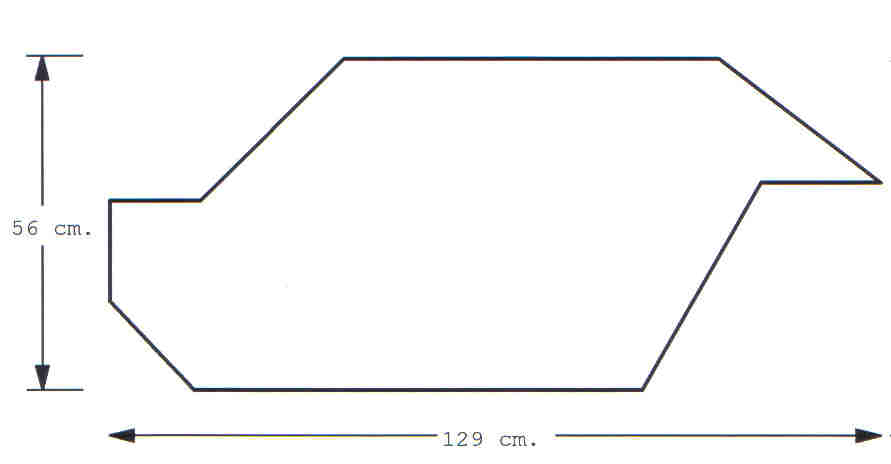
 Figure 4.2. Diagram of the interior of the 2D car.
More recently, the boundary element method has been used in this application. Methods for the interior modal analysis of the passenger compartment are considered in Banerjee et al [8], Coyette and Fife [24] and Jeong-Guon Ih et al [31]. As an application to demonstrate the subroutine IBEM2, the boundary is a two-dimensional version of the vehicle interior used in Jeong-Guon [31]. A diagram of the vehicle interior is shown in Figure 4.2.
Figure 4.2. Diagram of the interior of the 2D car.
The boundary is divided into 60 elements of approximately equal size. The test is run at a range of frequencies between 0 and 1000Hz. The boundary condition is defined so that the diagonal part of the boundary at the driver's feet is determined to have uniform vibration of amplitude 1mm at all frequencies. The remaining boundary is rigid. Figure 4.3 shows a graph of the computed sound pressure at the selected interior point (0.5,0.4) in the domain.
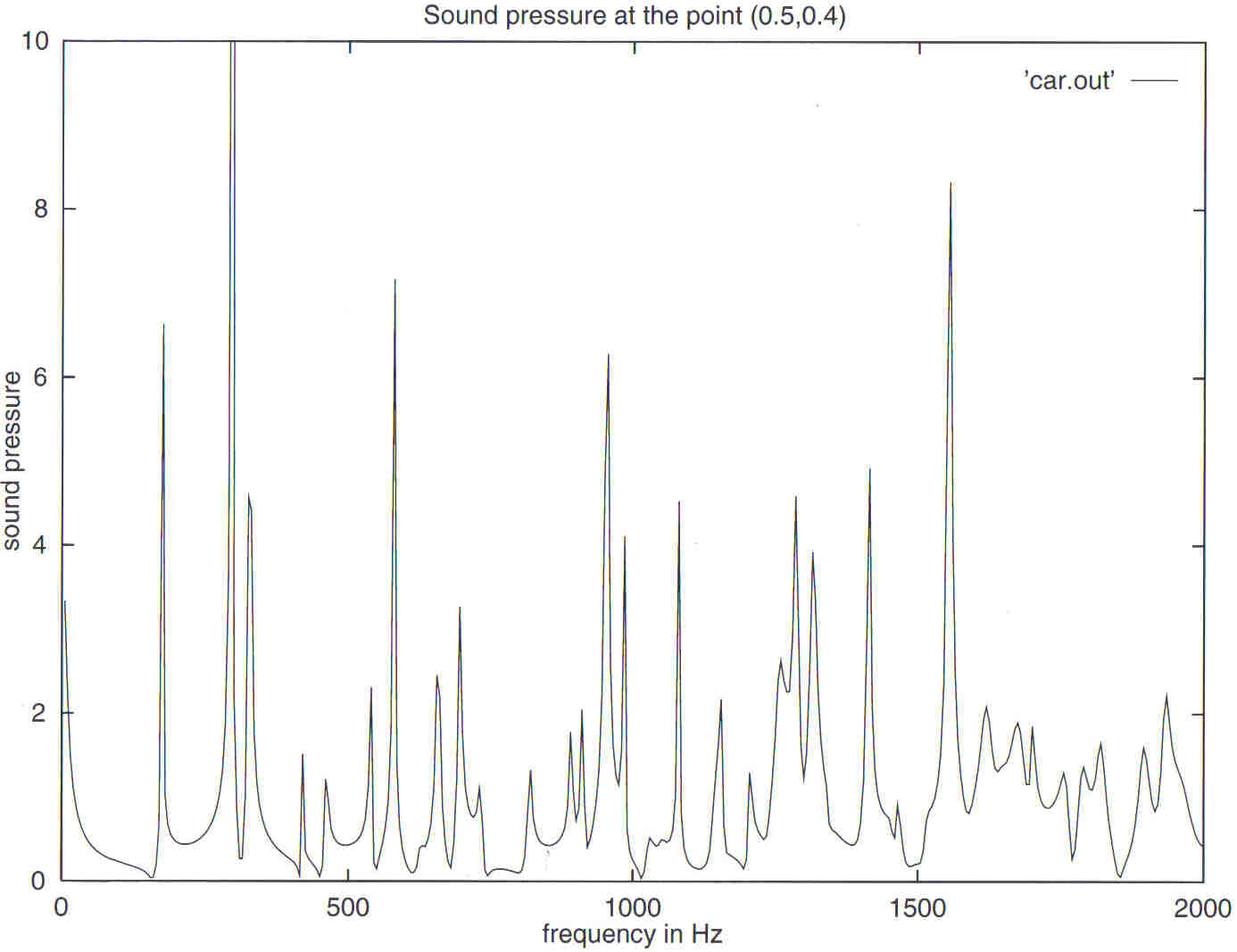 Figure 4.3. The amplitude of the sound presure at a point.